
Tin tức
-
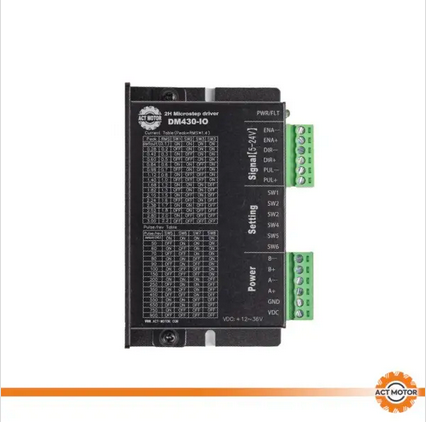
5 Benefits Of Stepper Motor Drivers
With the origin dating back to the electromagnetic engine in the 19th century, the modern stepper motors were first applied to naval vessels in the 1920s, then were developed in the 1950s, and became popular in the following decade. Stepper motor drivers are small motors...Đọc thêm -
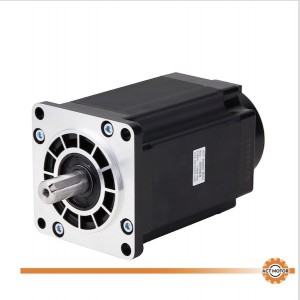
Hybrid Vs. High-torque Stepper Motors
Stepper motors are high pole count DC motors driven by a DC pulse train. Machine designers often create systems designed to use stepper motors at relatively high rpm based on the maximum motor speed rating (typically 3000 rpm) and the motor torque versus speed curve. Dif...Đọc thêm -
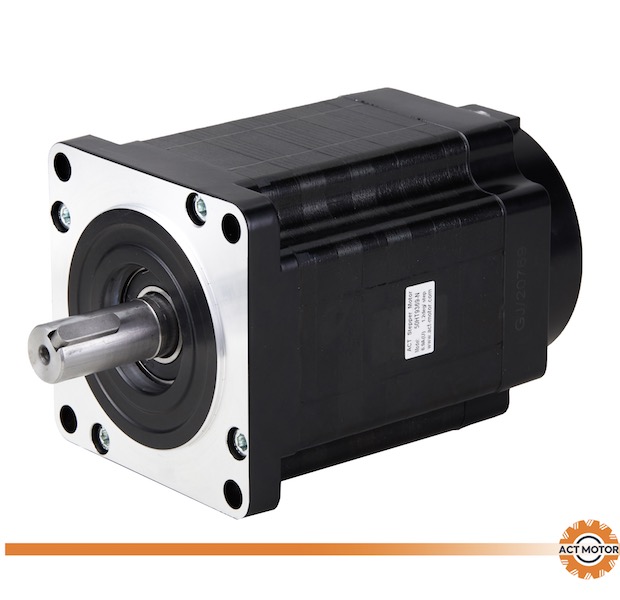
Permanent Magnet vs Variable Reluctance vs Hybrid Stepper Motor
As is known to everyone, three main types of stepper motors are available in the market. They are permanent magnet (PM) stepper motor, variable reluctance (VR) stepper motor, and hybrid stepper motor. Do you know which one you should use for your project? If you are unce...Đọc thêm -
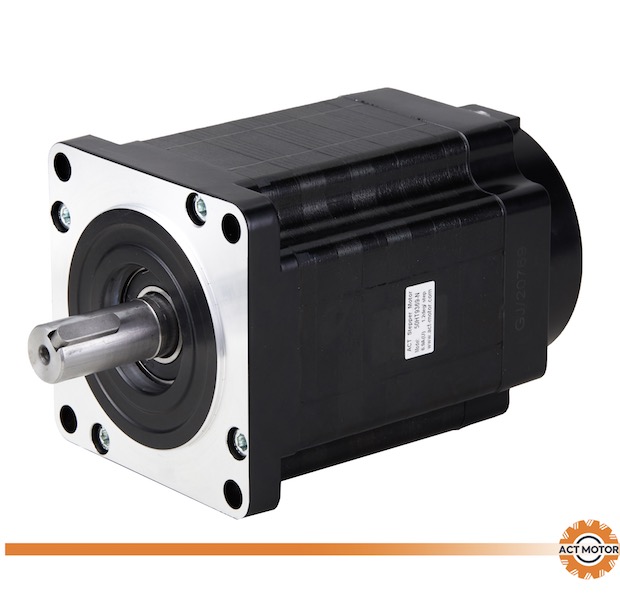
Differences Between Stepper Motors And Servo Stepper Motors
Stepper motors and servo stepper motors are both important control components in the industrial drive control field and have a wide range of applications, and you may need both of them. You may think these two kinds of motors are similar, but some significant differences...Đọc thêm -
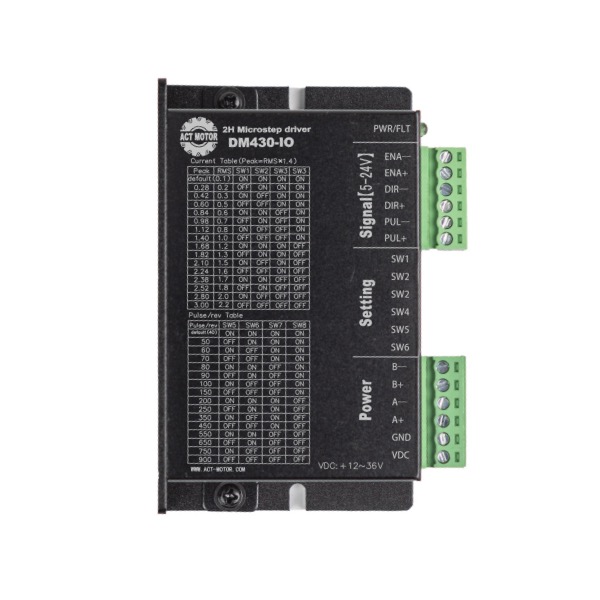
5 Reasons Your Stepper Motor Drivers Keep Overheating
An overheated Chinese stepper motor driver will bring your equipment to a screeching halt. Though excessive heat may be the problem confronting you, it’s also necessary to find the reasons for overheating, because if you fail to position the root cause, your motor driver...Đọc thêm -
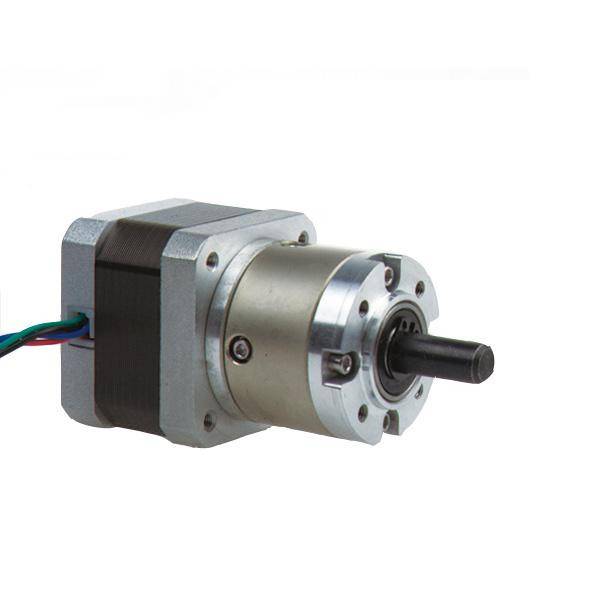
12 Features of stepper motor you must know
A stepper motor is DC motor that moves in discrete steps. It has multiple coils that are organized in groups called phases. By energizing each phase in sequence, the motor will rotate one step at a time. Stepper motors come in many different sizes and styles and electric...Đọc thêm -
Burnout failure analysis of stepper motor driver
Once started, the external fuse of a stepper motor driver will be burnt out and the device can not operate. When finding that a power tube is damaged during the inspection, the maintenance worker doesn’t kn...Đọc thêm -
Everything you need to know about a hybrid stepper motor
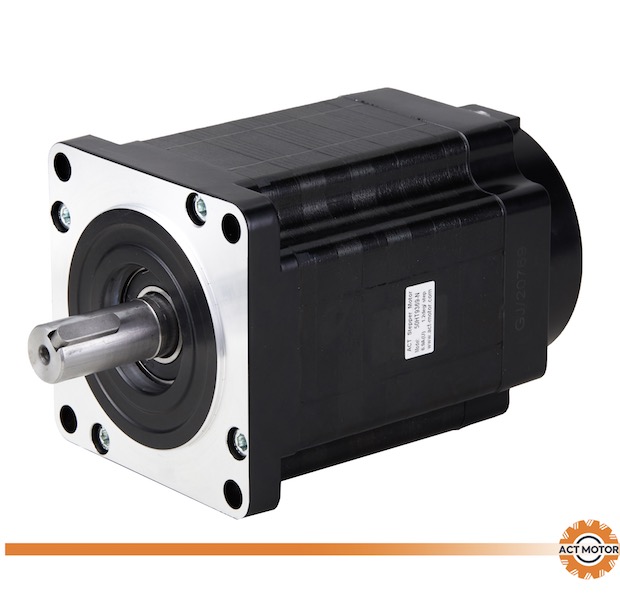
What is a stepper motor? A stepper motor is an actuator that is one of the key products of mechatronics and has been widely used in various automation equipment. It’s an open-loop control element that converts an electrical pulse signal into an angular or line...Đọc thêm -
Top 4 tips to choose the right stepper motor
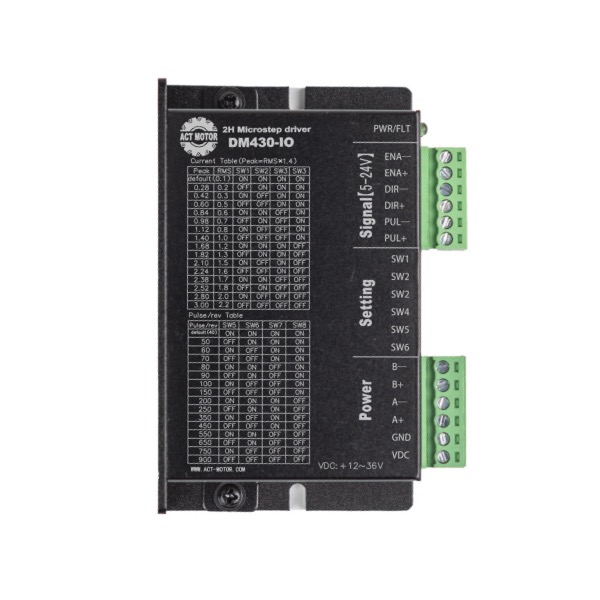
A stepper motor is an electromechanical device that directly converts electrical pulses into mechanical movements. By controlling the sequence, frequency and number of electrical pulses applied to the motor coil, you can control its steering, speed and rotation angle. Ac...Đọc thêm -
Thử nghiệm trên động cơ bước (B)
di chuyển động cơ bước từng bước nhỏ thường được ghi trên nhãn bằng độ. Một động cơ bước để xoay theo một chiều của dòng điện được truyền qua một cuộn dây, sau đó khác, sau đó trong lần đầu tiên quanh co của phân cực ngược lại, sau đó lần thứ hai với phân cực ngược lại, cũng có. Trình tự này được lặp lại cho c ...Đọc thêm -

Thử nghiệm trên động cơ bước (A)
động cơ bước thường của bộ vi xử lý hoặc IC điều khiển tùy chỉnh, và quyền lực thường được điều khiển bởi các mạch lit bước điều khiển động cơ và sức mạnh transistor. chuyển động tỉ mỉ là có thể, nhưng sự phức tạp thường đất bước nghiệp dư trong “có lẽ một ngày nào đó” phụ tùng bin. Nhưng bước có thể được sử dụng ...Đọc thêm -

Làm sao chúng ta có thể sử dụng động cơ bước
điều khiển động cơ bước là một thiết bị điều khiển vị trí, tốc độ và mô-men xoắn của một ổ đĩa cơ khí. Nó được thiết kế để điều khiển chuyển động của động cơ điện. Nó có hộp số tự động và bằng tay để khởi động và dừng động cơ, và việc lựa chọn và điều chỉnh tốc độ. Cũng dự kiến sẽ gia nhập ...Đọc thêm


